


Welcome to the Zoo at Nandanvan
Welcome to the Zoo at Nandanvan
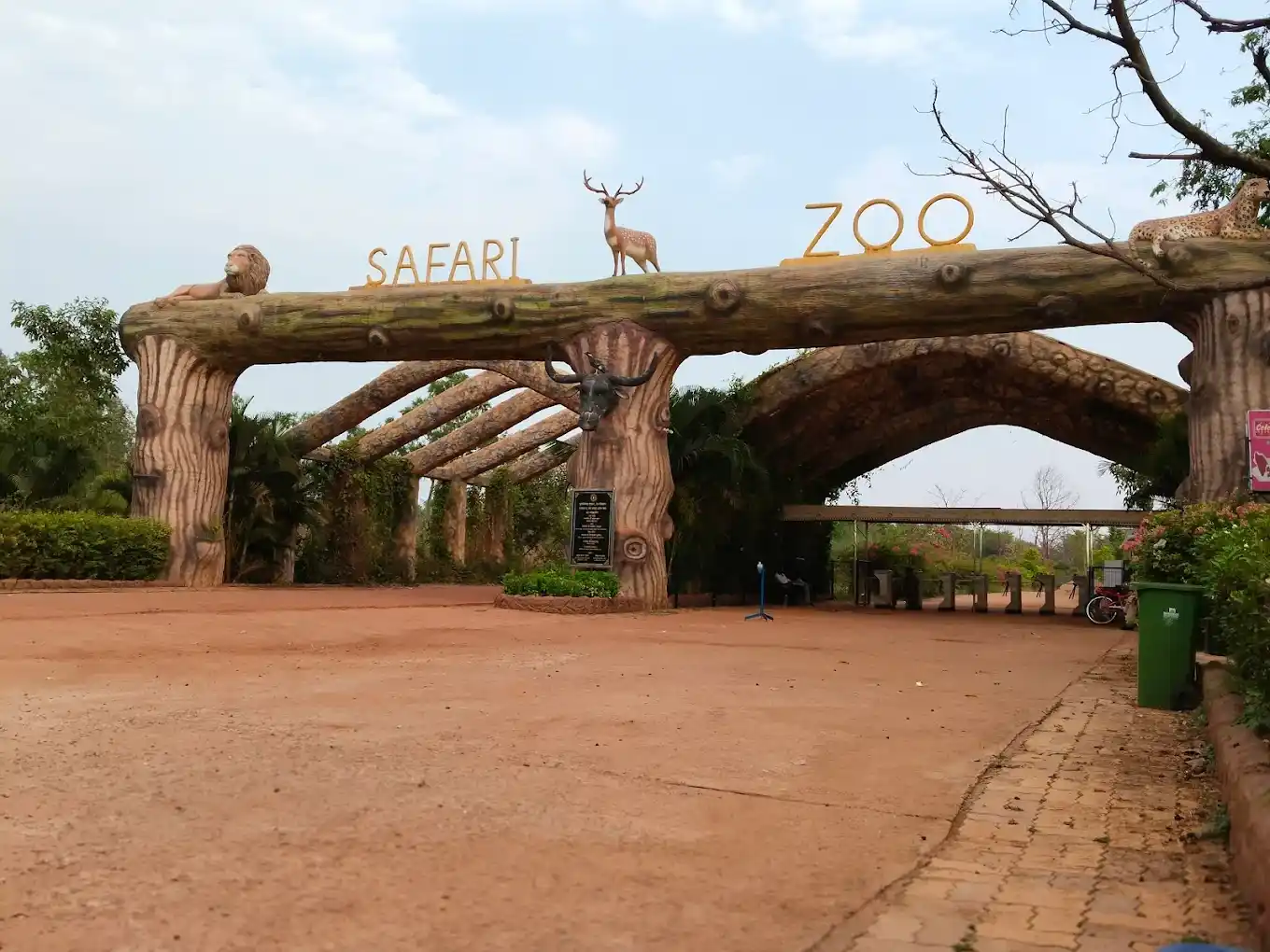
The Zoo at Nandanvan (part of Nandanvan Jungle Safari, Sector-39, Naya Raipur) is designed as a modern, conservation-oriented zoological collection that complements the drive-through safaris.
Size, layout & highlights
The zoo component occupies roughly 50 hectares inside the Nandanvan campus.
Exhibits are organised on a taxonomic basis to improve interpretation and learning.
A major feature is the Crocodile Exhibit covering 9,500 m² with naturalistic marsh habitat.
What animals you can expect to see
A diverse mix of native and charismatic wildlife
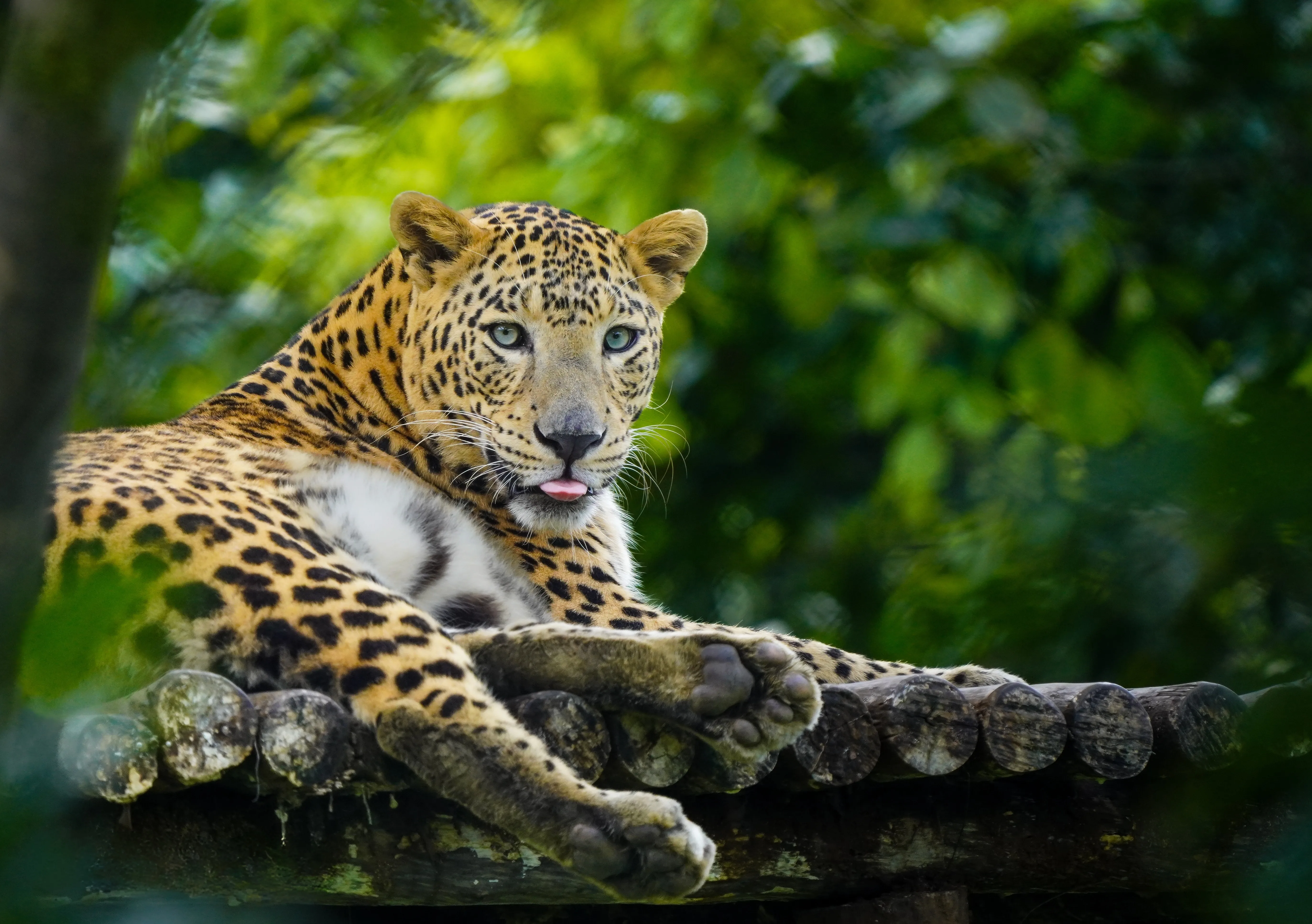
Big Cats
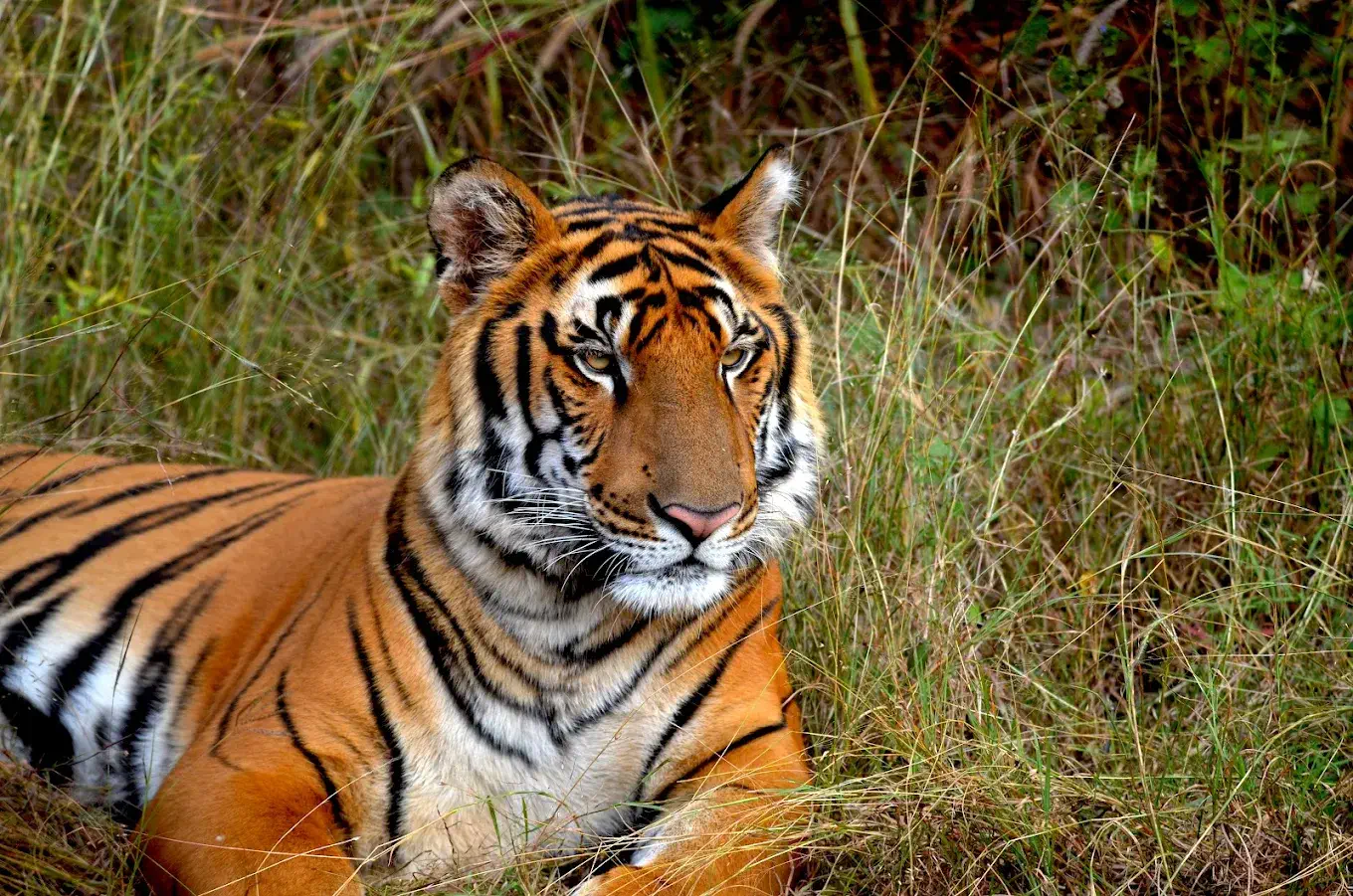
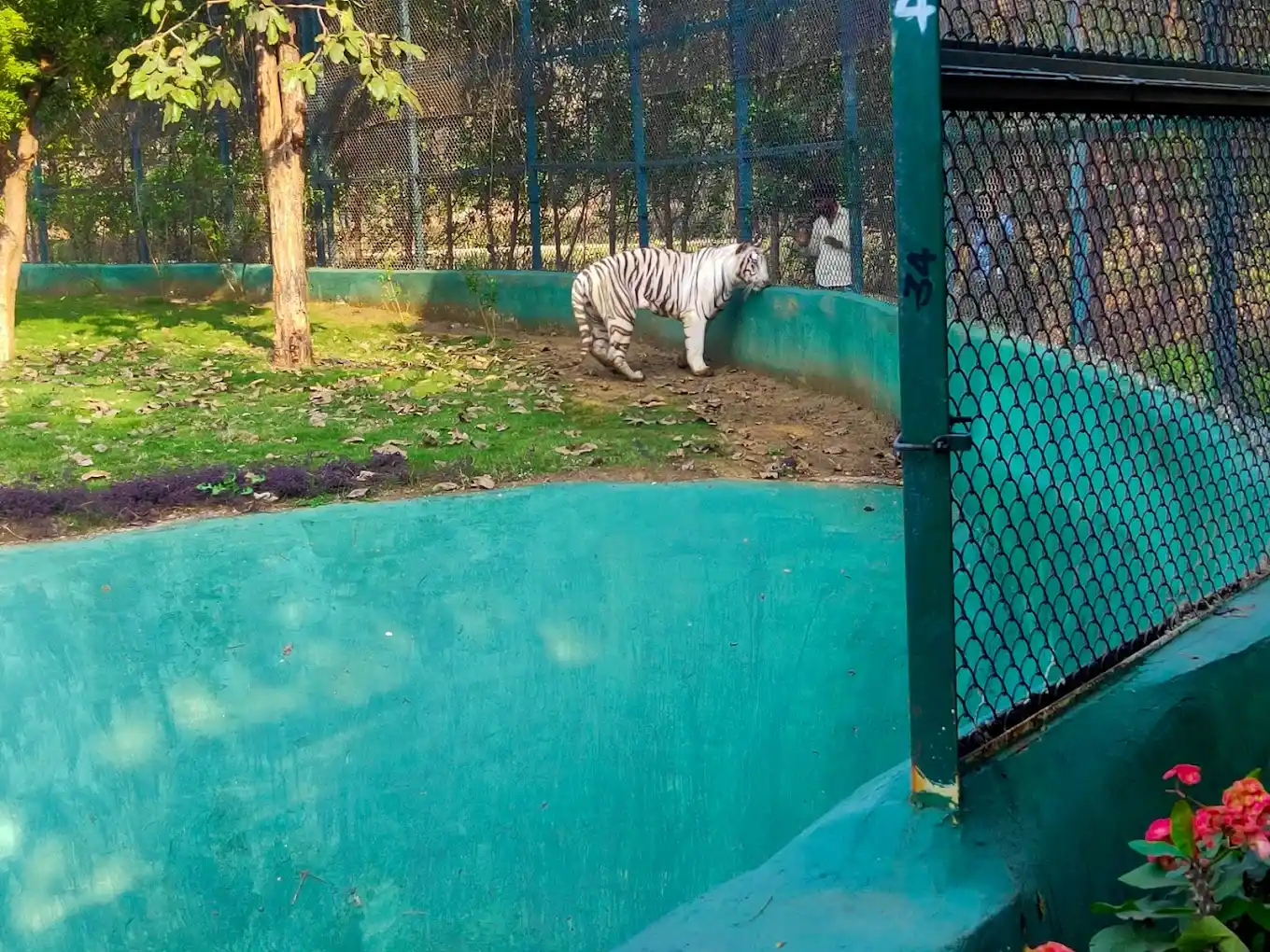
The zoo houses iconic big cats including the White Tiger, Royal Bengal Tiger and Leopard, displayed in spacious, naturalistic enclosures designed to reflect their native habitats.
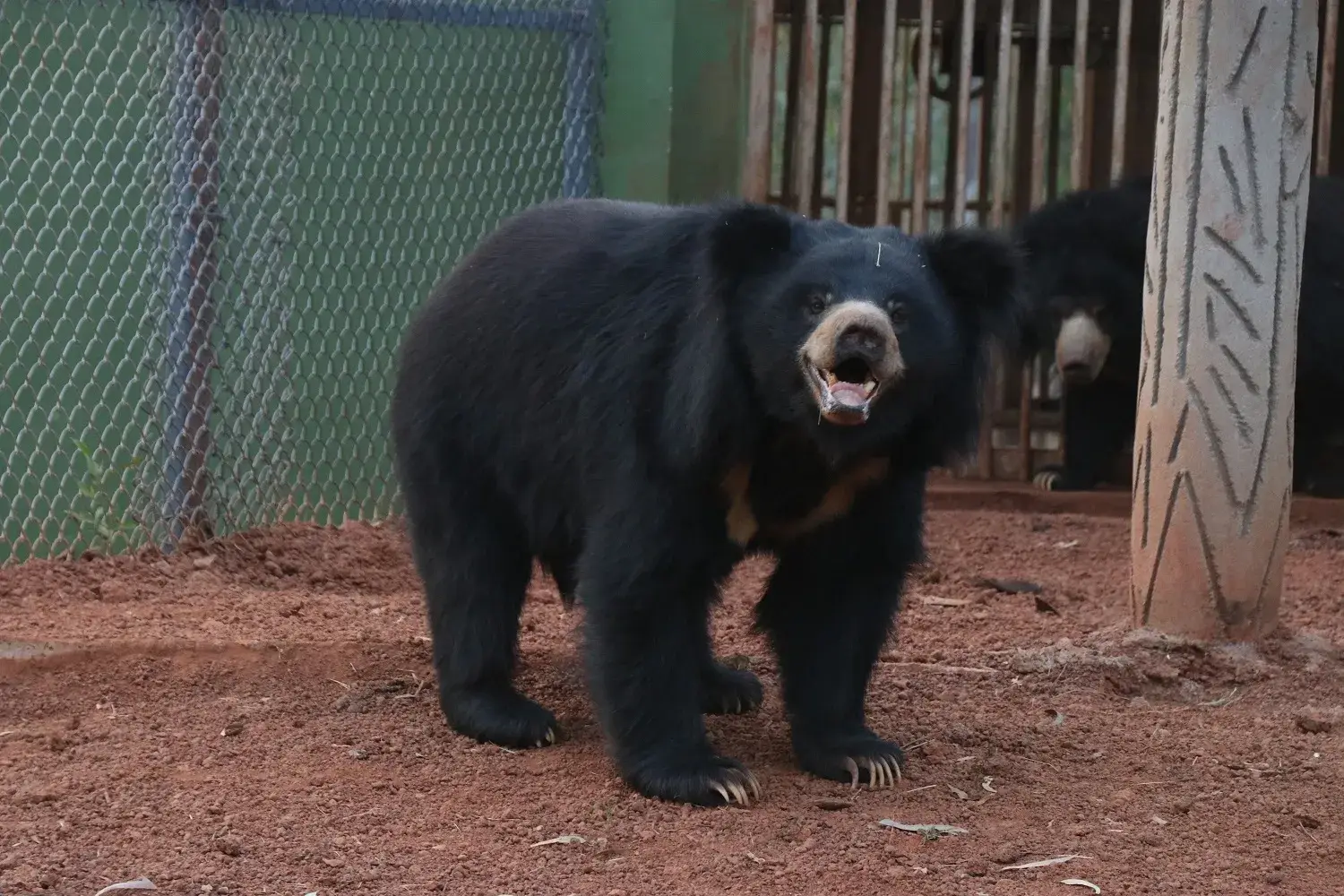
Large Carnivores & Omnivores
Asiatic Lions can be seen in the Lion Safari, while Himalayan Bears are integrated within zoo and bear safari exhibits, offering close yet safe viewing experiences.
Wetland & Reptile Collection
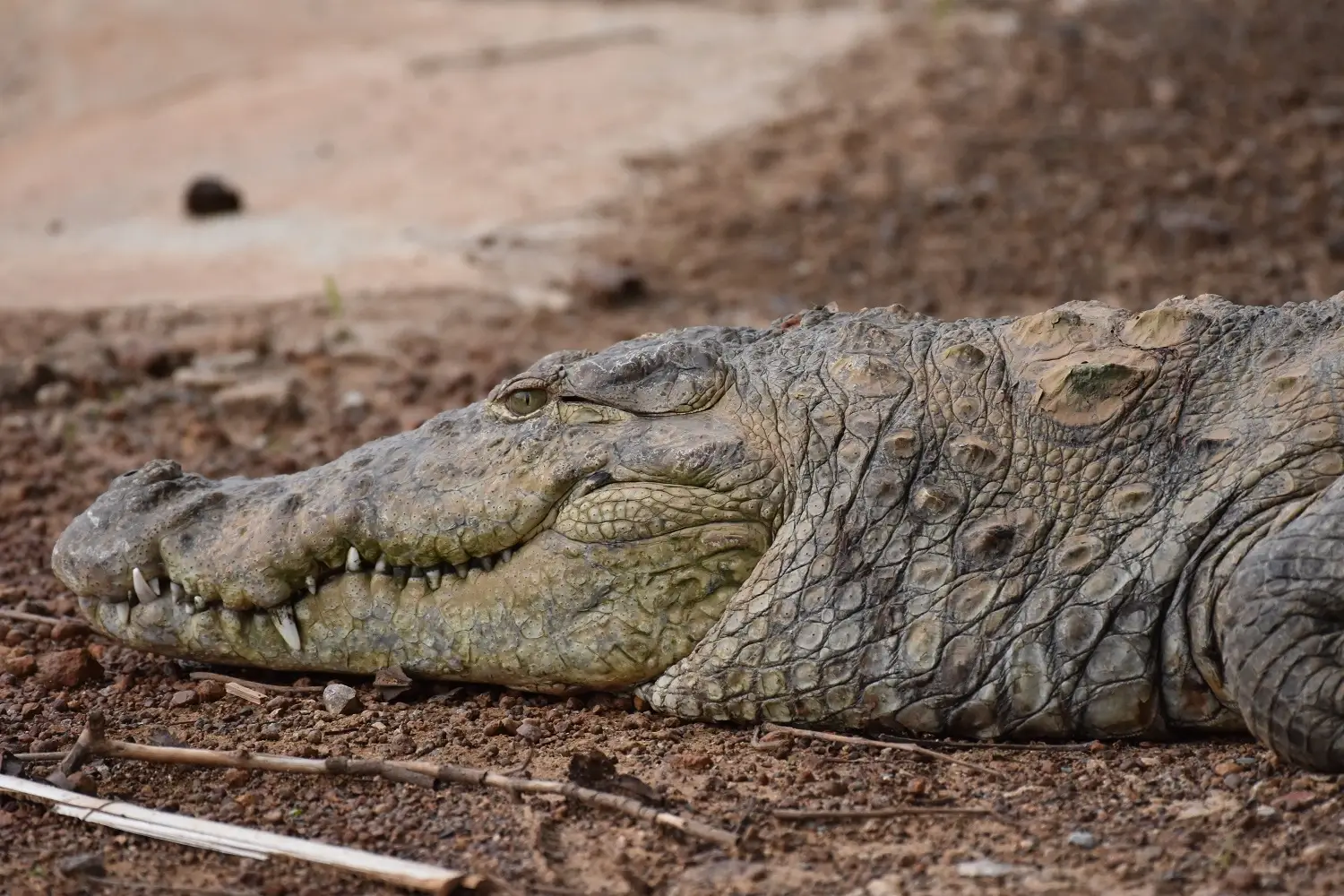
The wetland zone features Marsh Crocodiles along with freshwater turtles and monitor lizards. The Crocodile Lake serves as a focal habitat within the zoo.
Megaherbivores
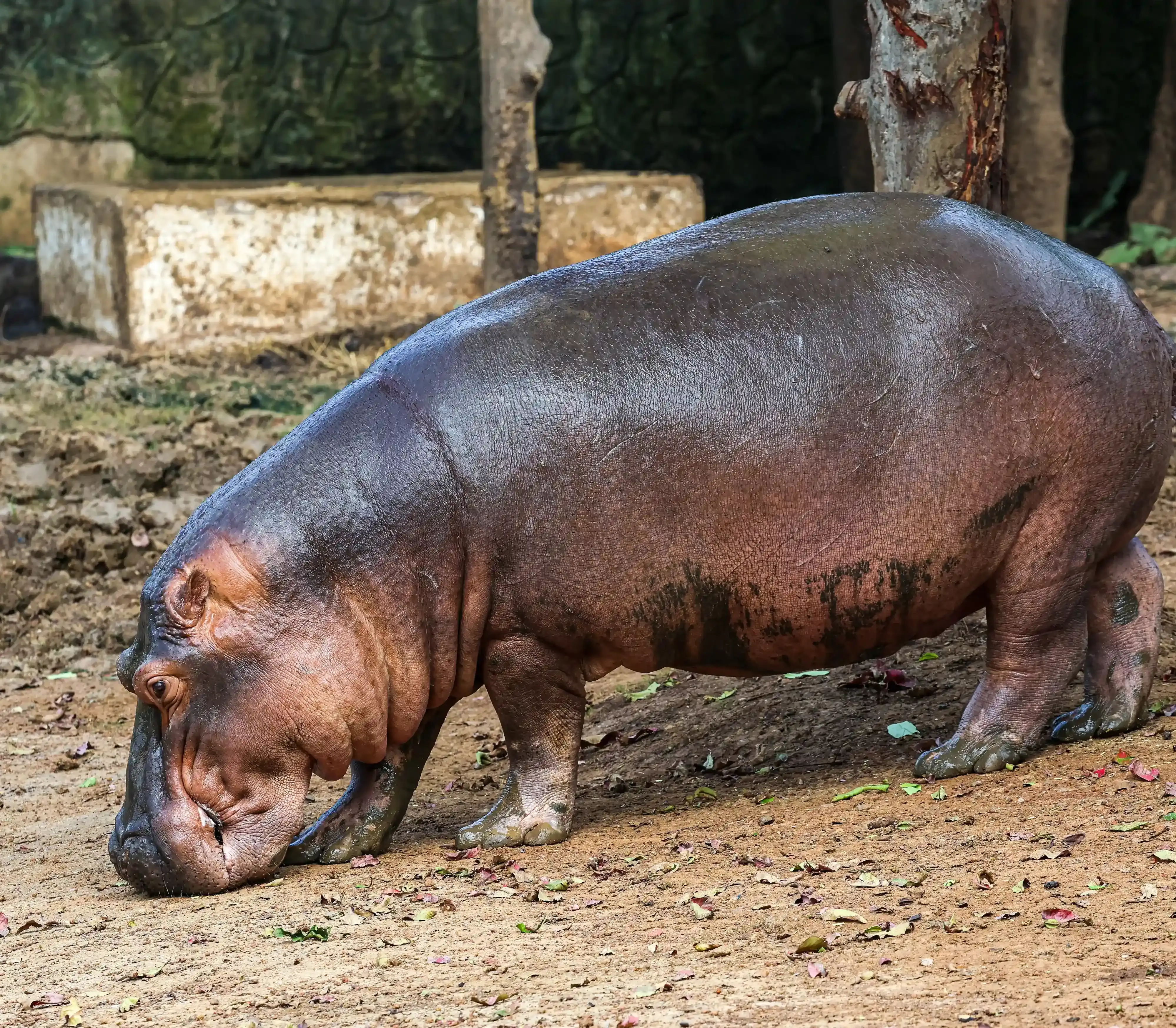
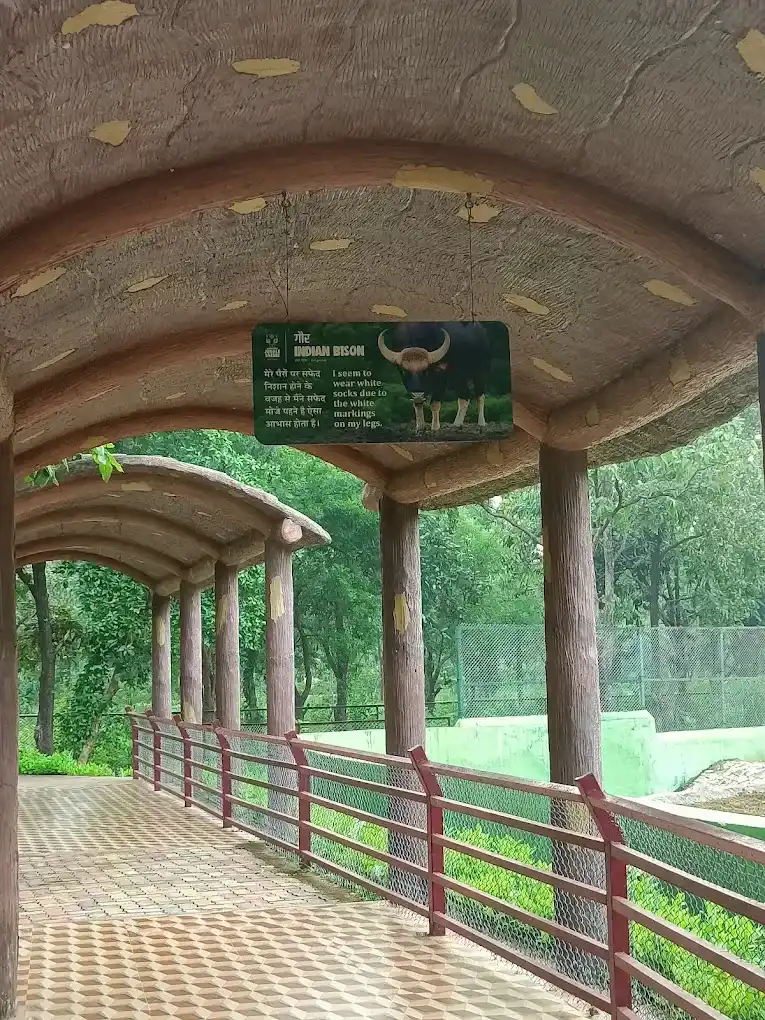
Large herbivores such as Hippopotamus and Wild Buffalo are housed in dedicated enclosures, supporting conservation-focused breeding and awareness programmes.
Birds & Aviaries
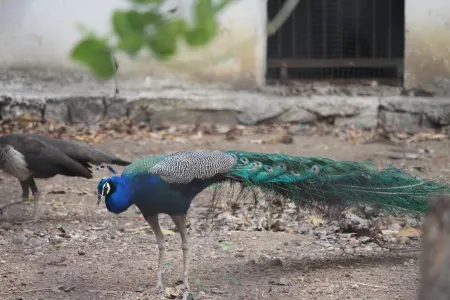
The zoo features flighted and flight-less bird enclosures along with wetland bird habitats, closely linked to the migratory bird activity of the nearby Khandwa Reservoir.
Conservation & Education Focus
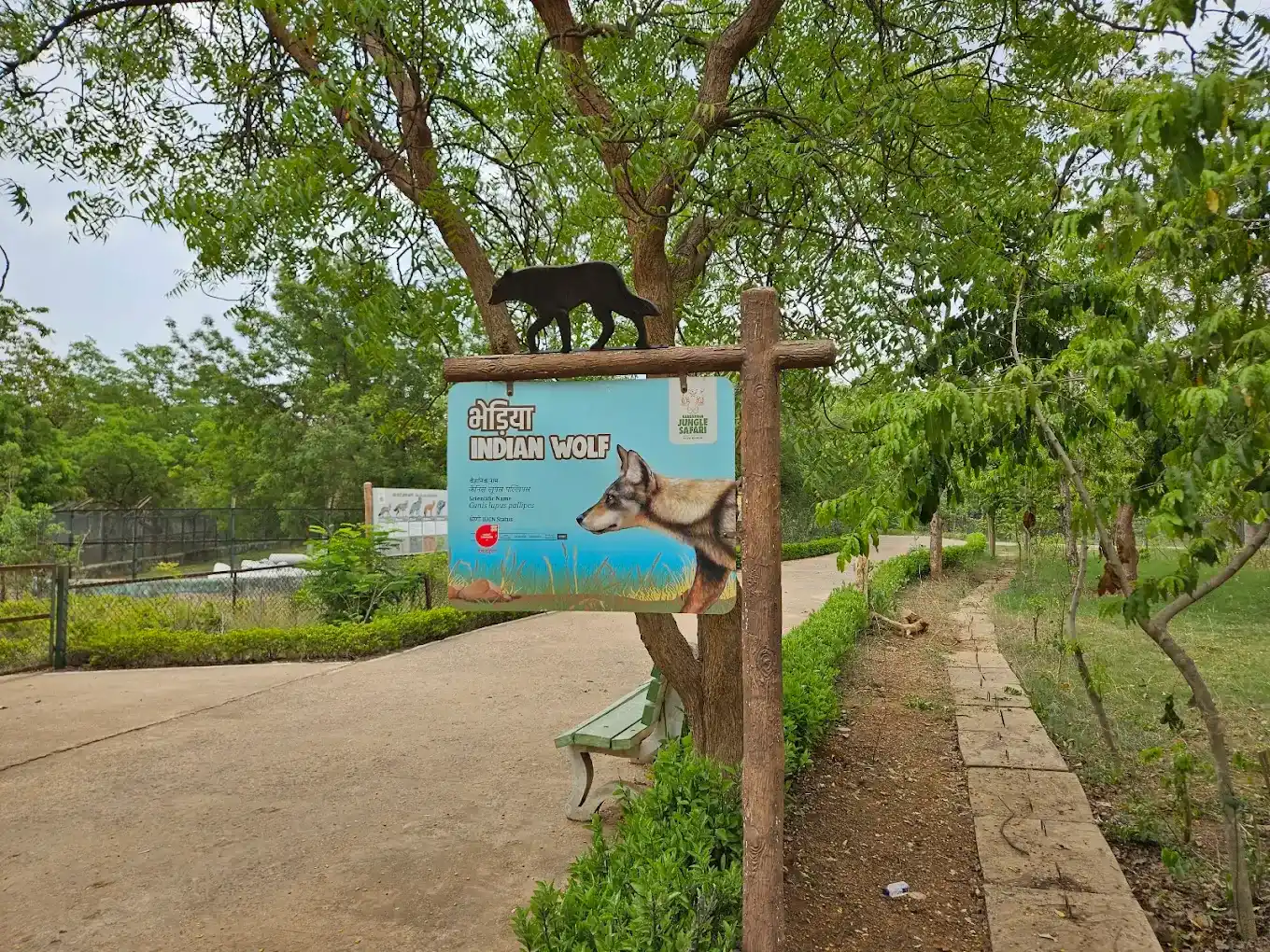
Species displays and enclosures have been developed in phases under approved master plans. Educational signage and interpretation aim to raise awareness about wildlife conservation.
Big Cats
The zoo houses iconic big cats including the White Tiger, Royal Bengal Tiger and Leopard, displayed in spacious, naturalistic enclosures designed to reflect their native habitats.
Large Carnivores & Omnivores
Asiatic Lions can be seen in the Lion Safari, while Himalayan Bears are integrated within zoo and bear safari exhibits, offering close yet safe viewing experiences.
Wetland & Reptile Collection
The wetland zone features Marsh Crocodiles along with freshwater turtles and monitor lizards. The Crocodile Lake serves as a focal habitat within the zoo.
Megaherbivores
Large herbivores such as Hippopotamus and Wild Buffalo are housed in dedicated enclosures, supporting conservation-focused breeding and awareness programmes.
Birds & Aviaries
The zoo features flighted and flight-less bird enclosures along with wetland bird habitats, closely linked to the migratory bird activity of the nearby Khandwa Reservoir.
Conservation & Education Focus
Species displays and enclosures have been developed in phases under approved master plans. Educational signage and interpretation aim to raise awareness about wildlife conservation.
Small Mammals Zone
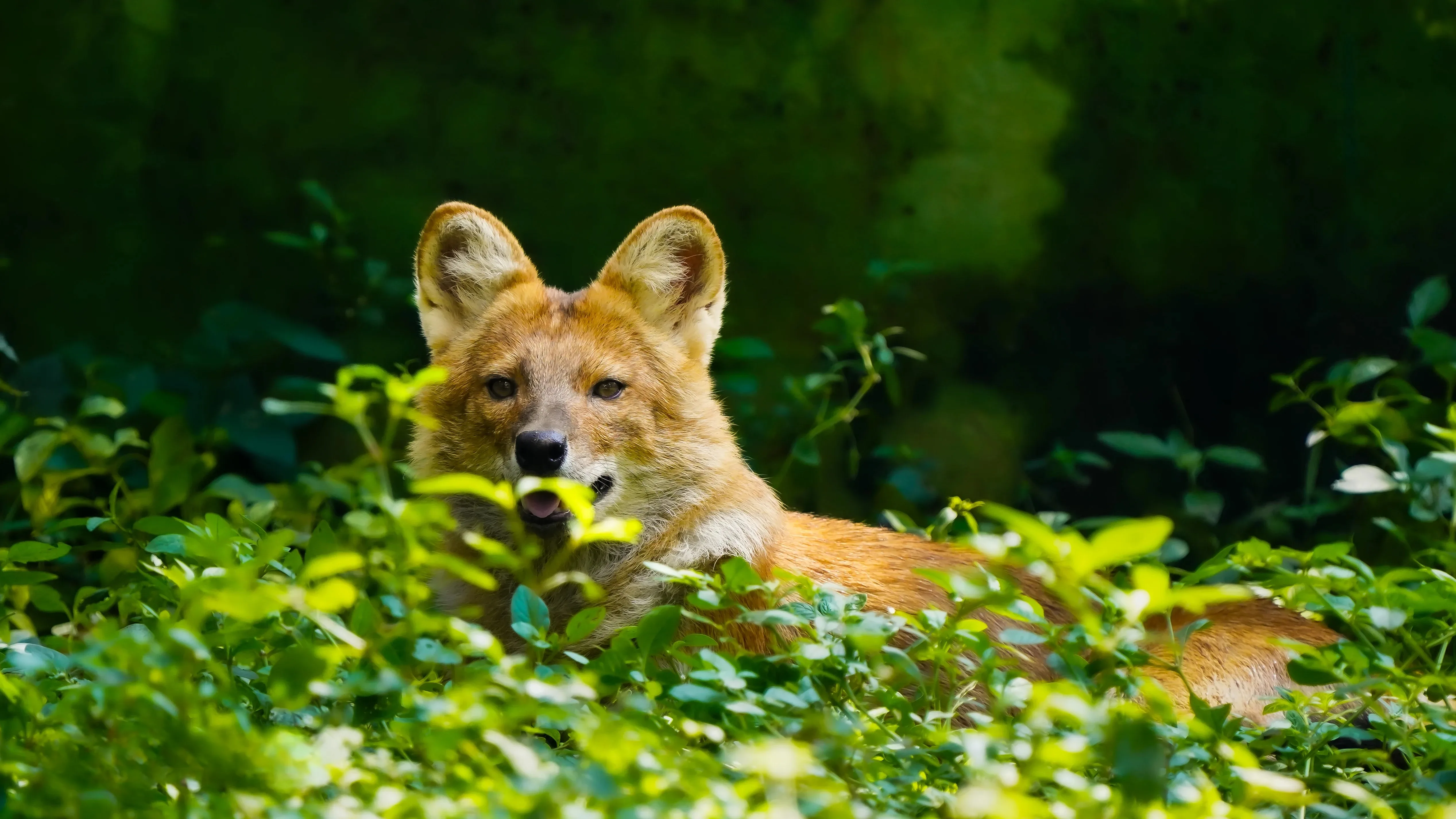
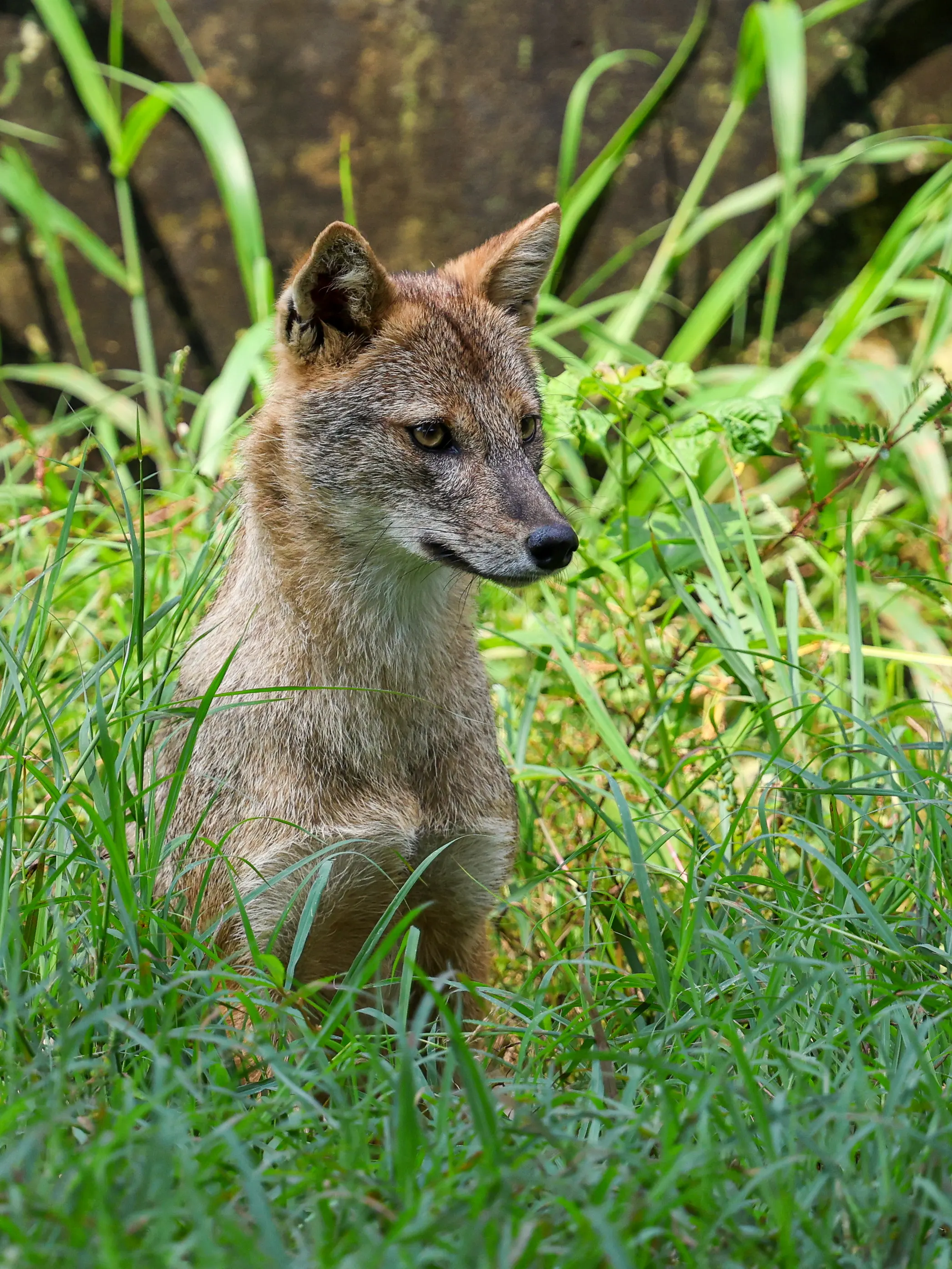
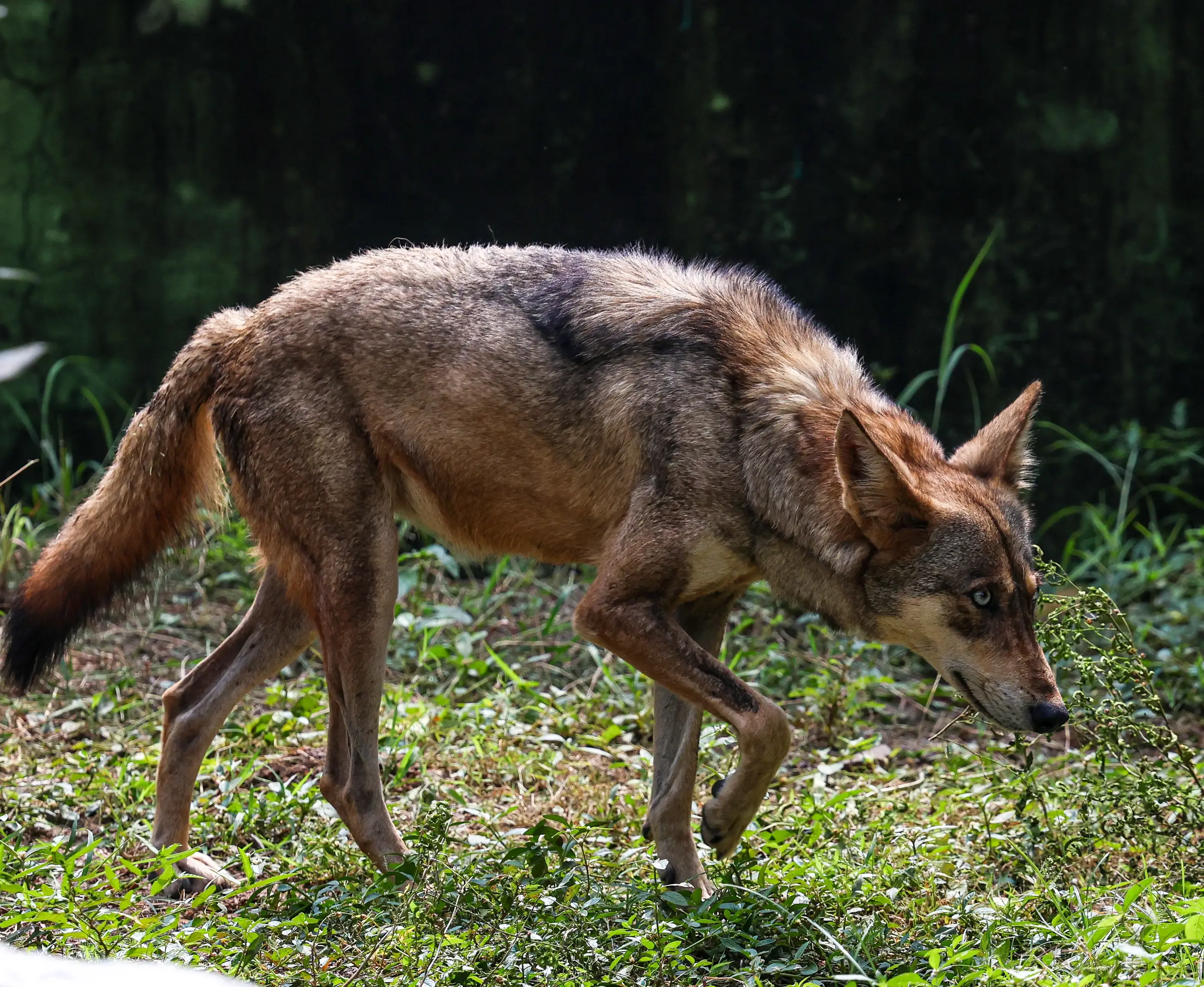
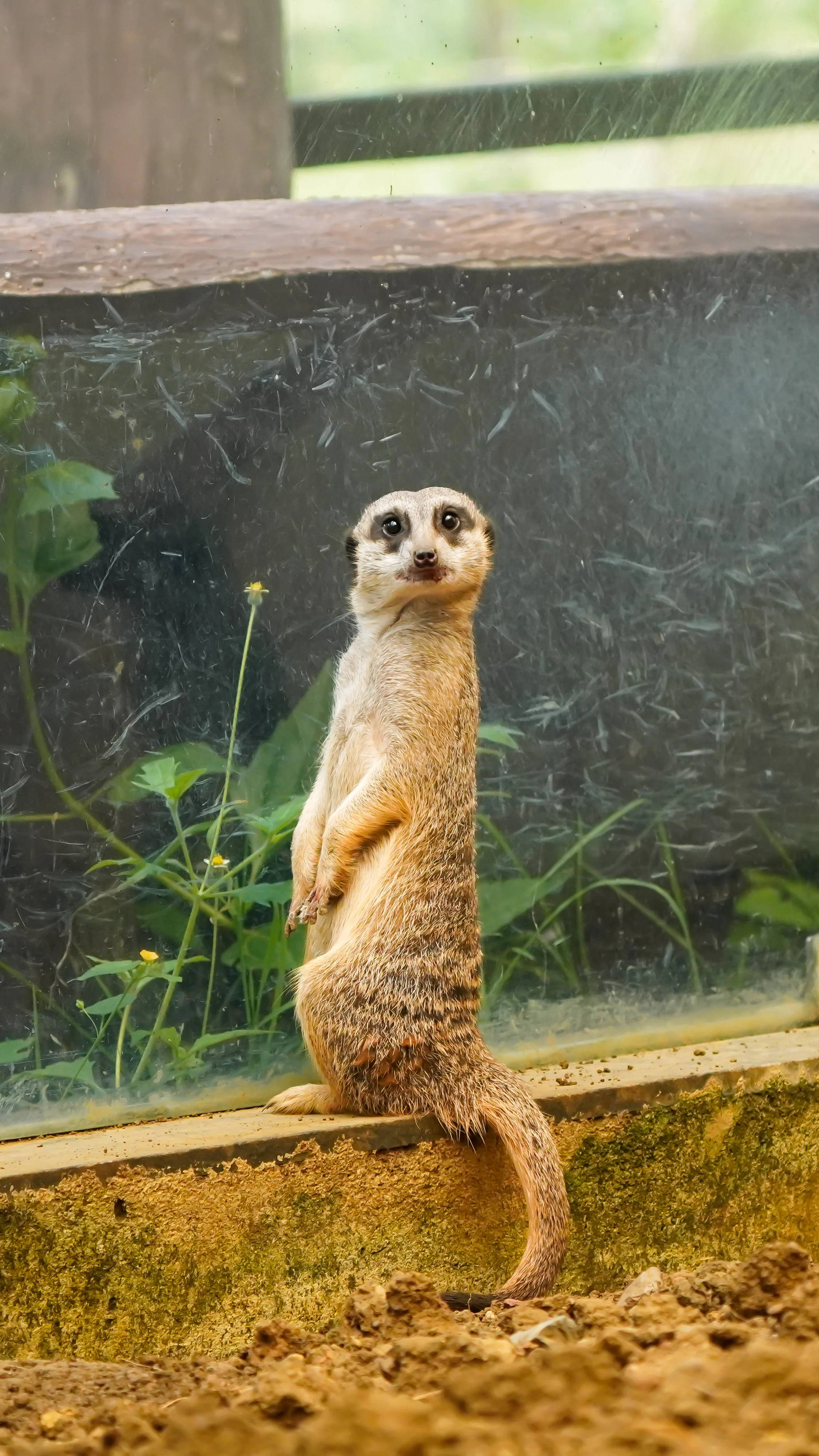
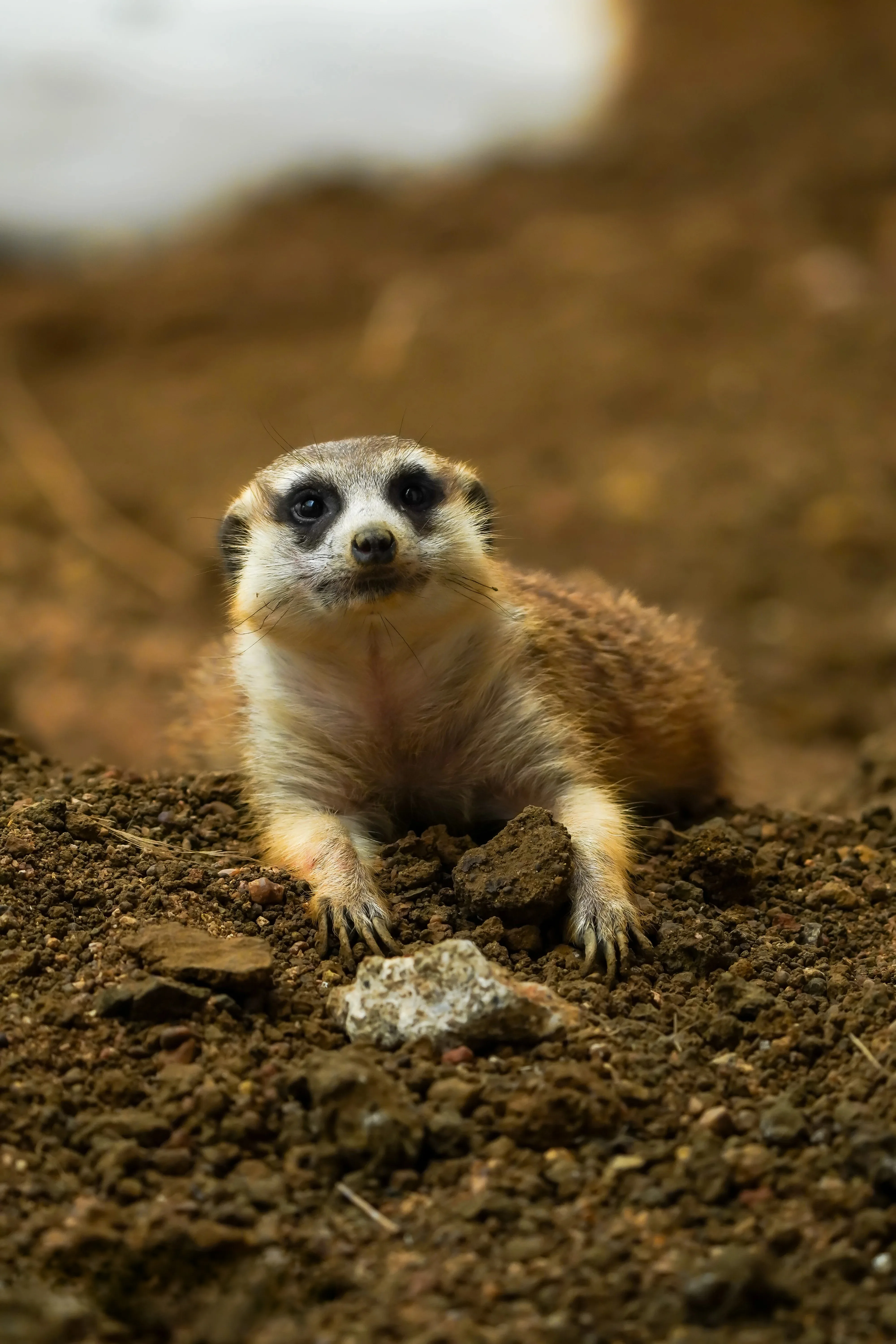
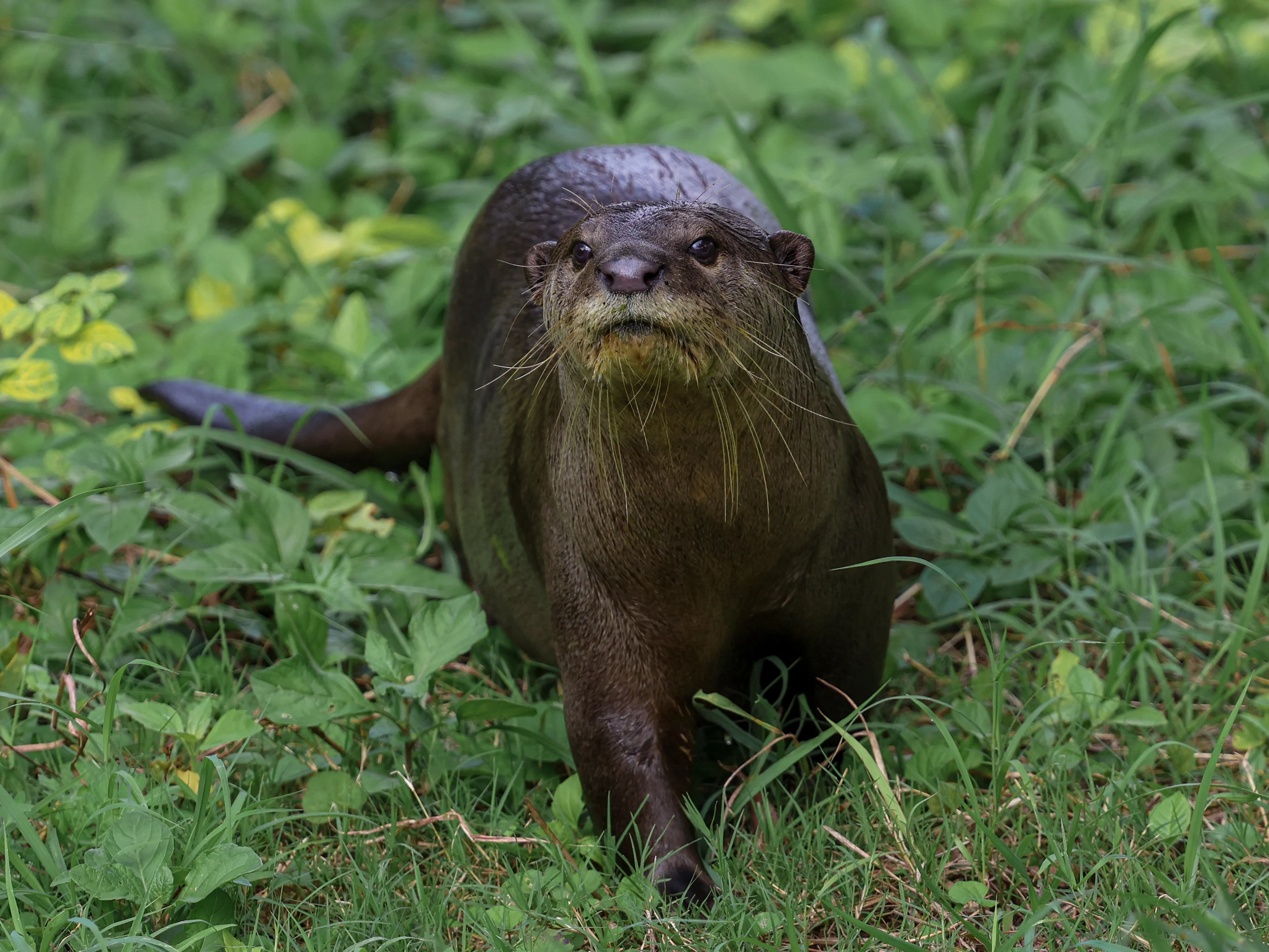
Meet some of the zoo’s most active and playful residents! This area is home to clever animals like foxes, jackals, wolves, and hyenas, who are known for their sharp senses and teamwork.
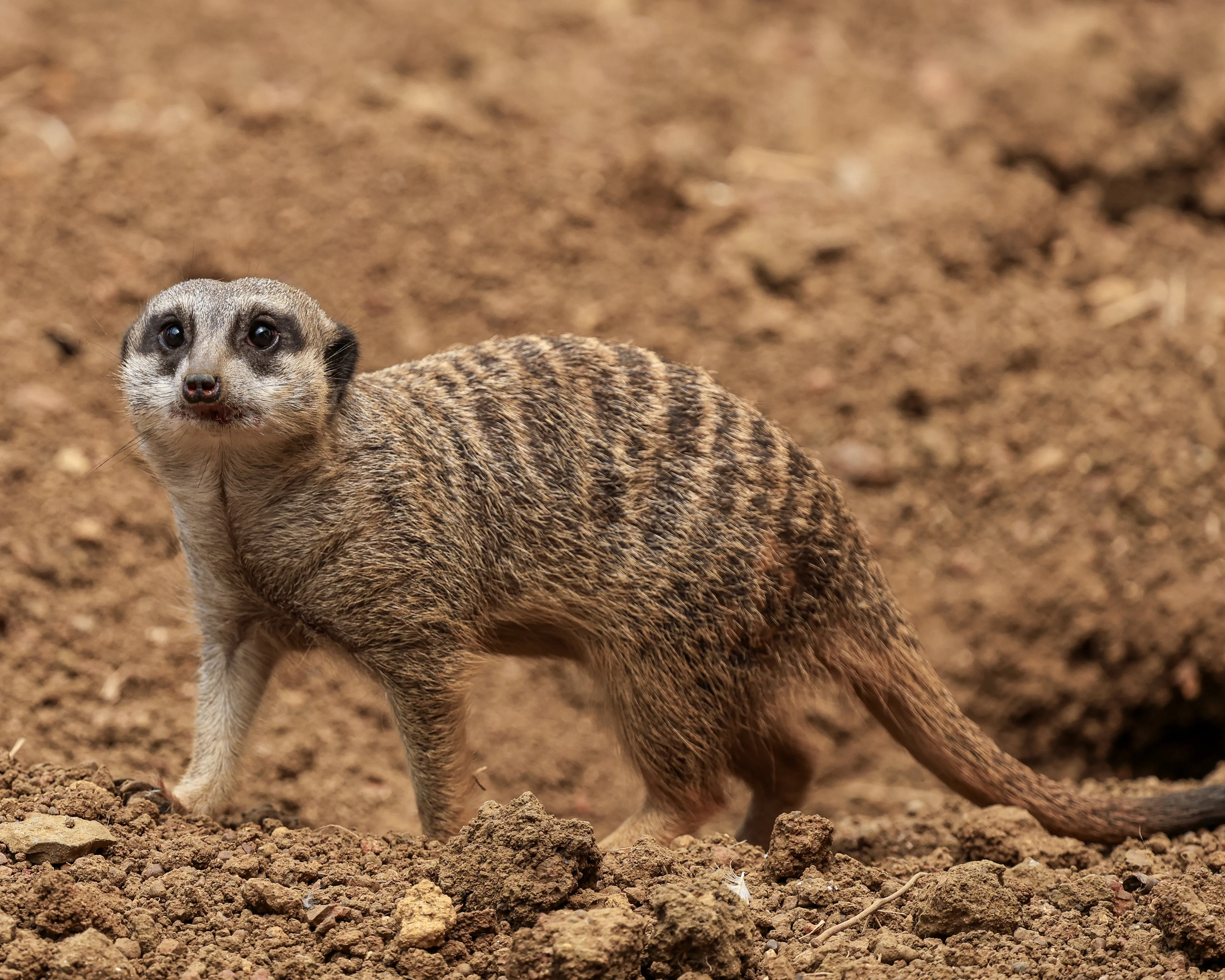
You’ll also spot super-cute and curious animals such as meerkats and otters, always busy running, digging, or splashing around.
Though smaller in size, these animals are an important part of nature and help us understand how forests stay healthy and balanced.
Conservation, breeding & research role
The Zoo is explicitly framed as more than display: it is part of ex-situ conservation and planned breeding programmes (including work on threatened regional species such as wild buffalo) and a centre for education and research in line with Central Zoo Authority guidance. The zoo participates in rescue, veterinary care and temporary rehabilitation for animals brought in from the wild or other facilities.
Numbers & Capacity
The Zoo portion was initially built with 28 enclosures. As per the expansion plan 37 enclosures were decided. The wider safari and zoo supports large animal populations across multiple safari zones. Around 106 herbivores in the Herbivore Safari, 4 tigers in the Tiger Safari, and 4 bears in the Bear Safari. The zoo complements these safaris by providing dedicated enclosures for additional species.
Zoo Map
Navigate through the Zoo at Nandanvan
Zoo Map

Care, Science & Visitor Information
Animal welfare & design features
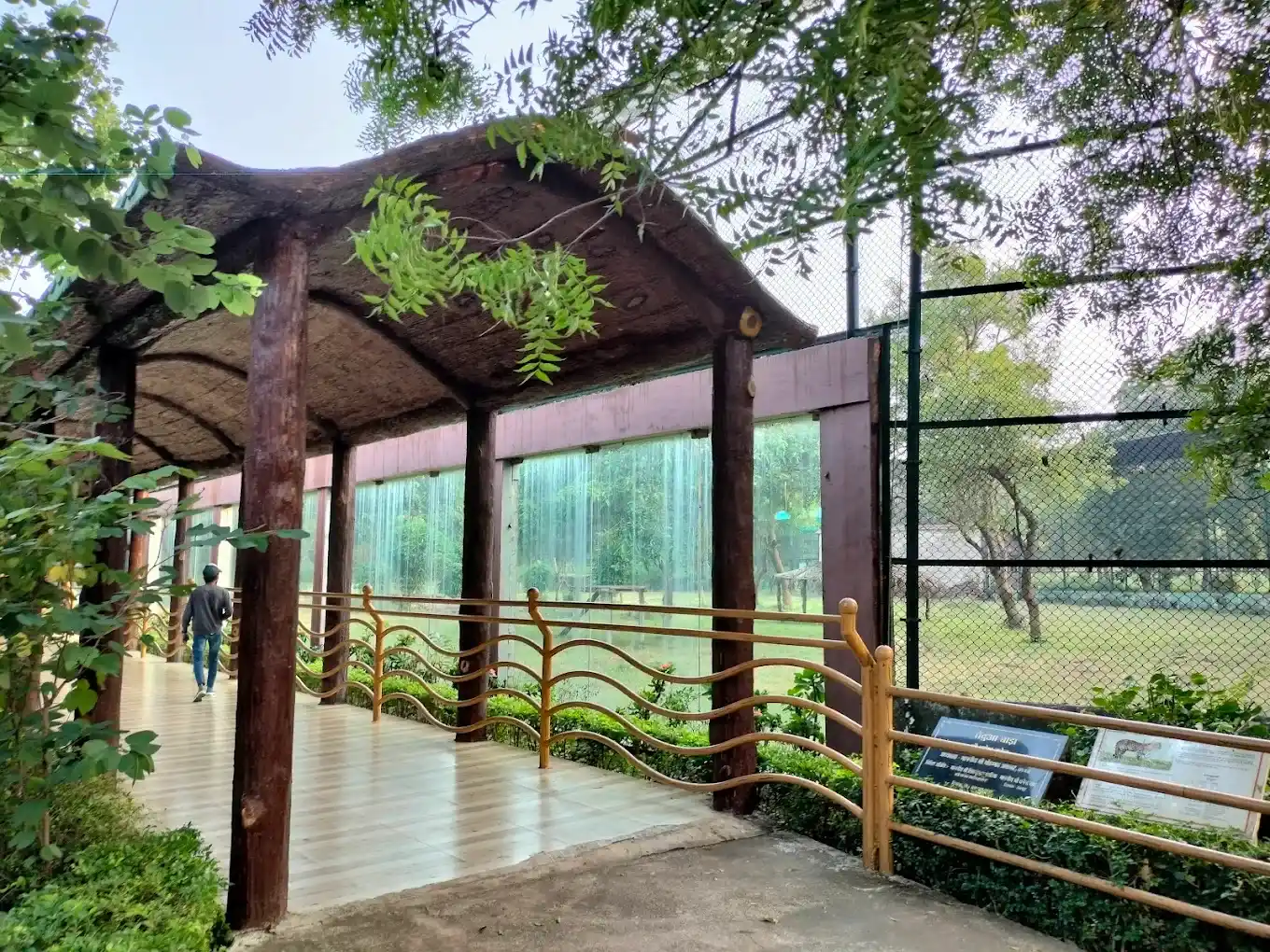
Naturalistic enclosures with vegetation, shade, shelter and off-view retreats reduce stress and encourage natural behaviour.
Dedicated veterinary facilities, feeding kraals and night shelters support managed care and emergency treatment.
Wetland integration with the Khandwa Reservoir increases on-site biodiversity and supports avian displays and ecological education.
Scientific facts & interpretive points
Why taxonomic displays matter: grouping animals taxonomically helps visitors understand evolutionary and ecological relationships.
Crocodile biology: marsh crocodiles regulate wetland ecosystems by controlling fish populations and creating basking sites used by other species.
Megaherbivore conservation: species like the wild buffalo are vital to ecosystem processes; ex-situ breeding supports genetic reservoirs and future reintroductions.
Visiting practicalities
The Zoo is part of the Jungle Safari experience. Check the official booking portal for live ticketing, slot timings and entry rules. Typical timings were 10:00 AM – 5:00 PM (Monday closed).
Photography: personal photography is encouraged; commercial photography requires prior permission as per policy.
Accessibility & facilities: visitor paths, signage and interpretive displays are provided for family and educational groups.