Tue - Sun: 9:00 AM - 6:00 PM



Location & Habitat Design

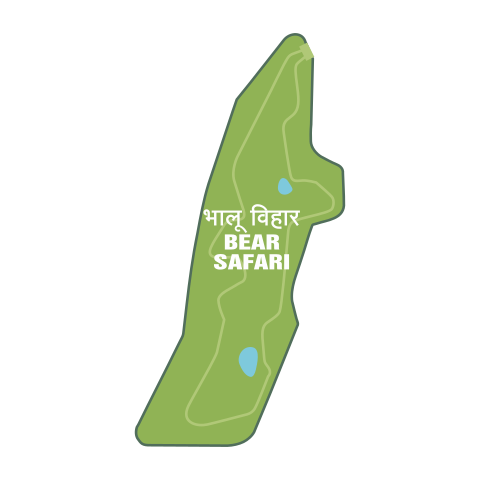
- Bear safari is spread approx. 20.03 ha area.
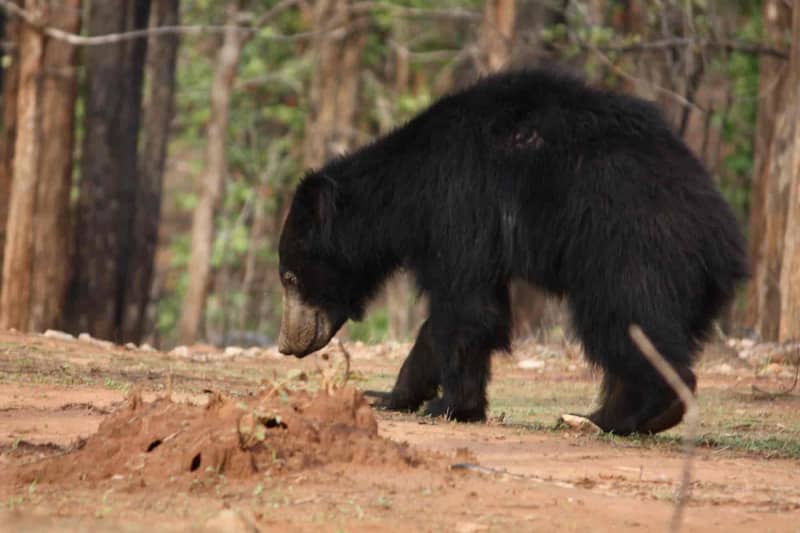
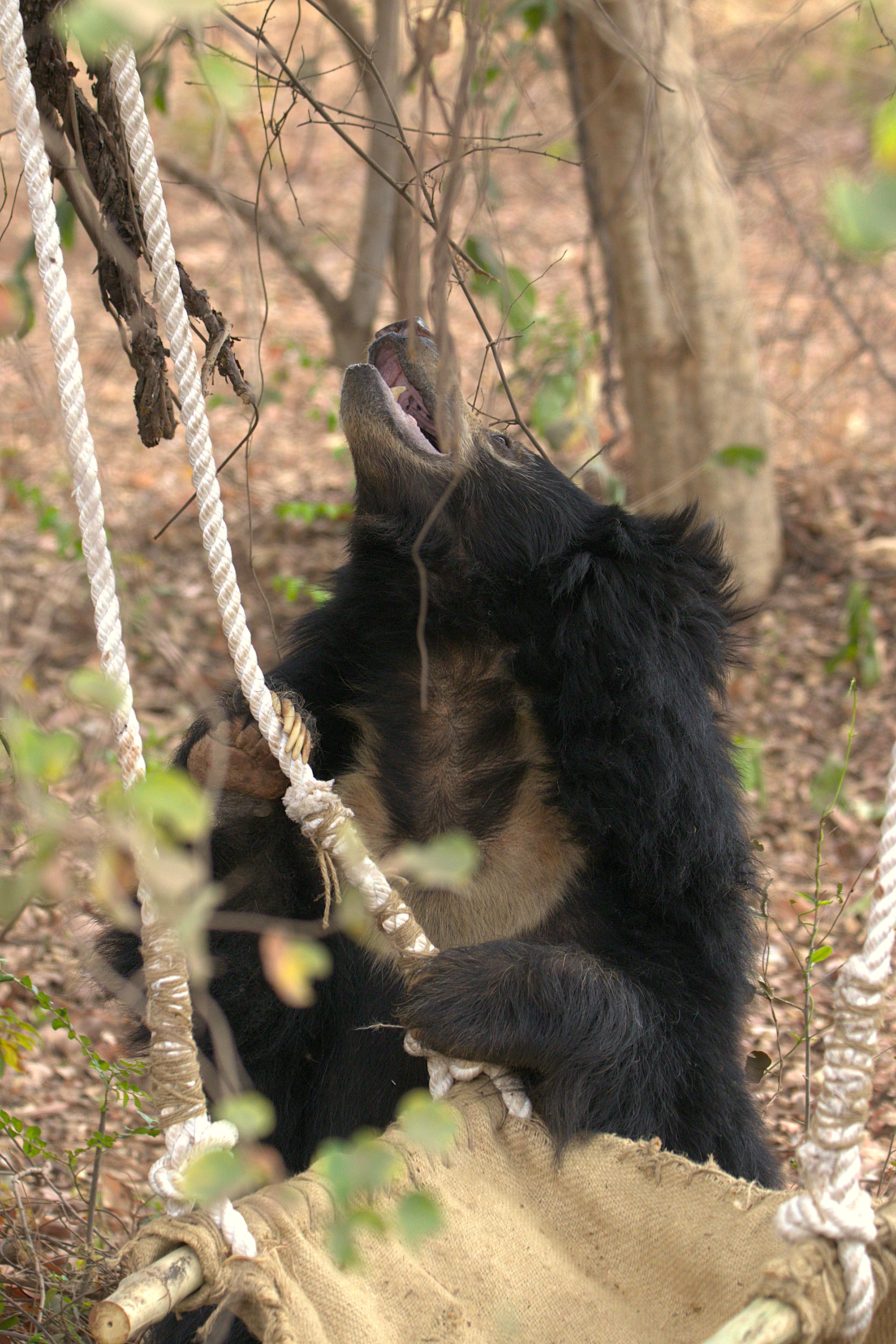
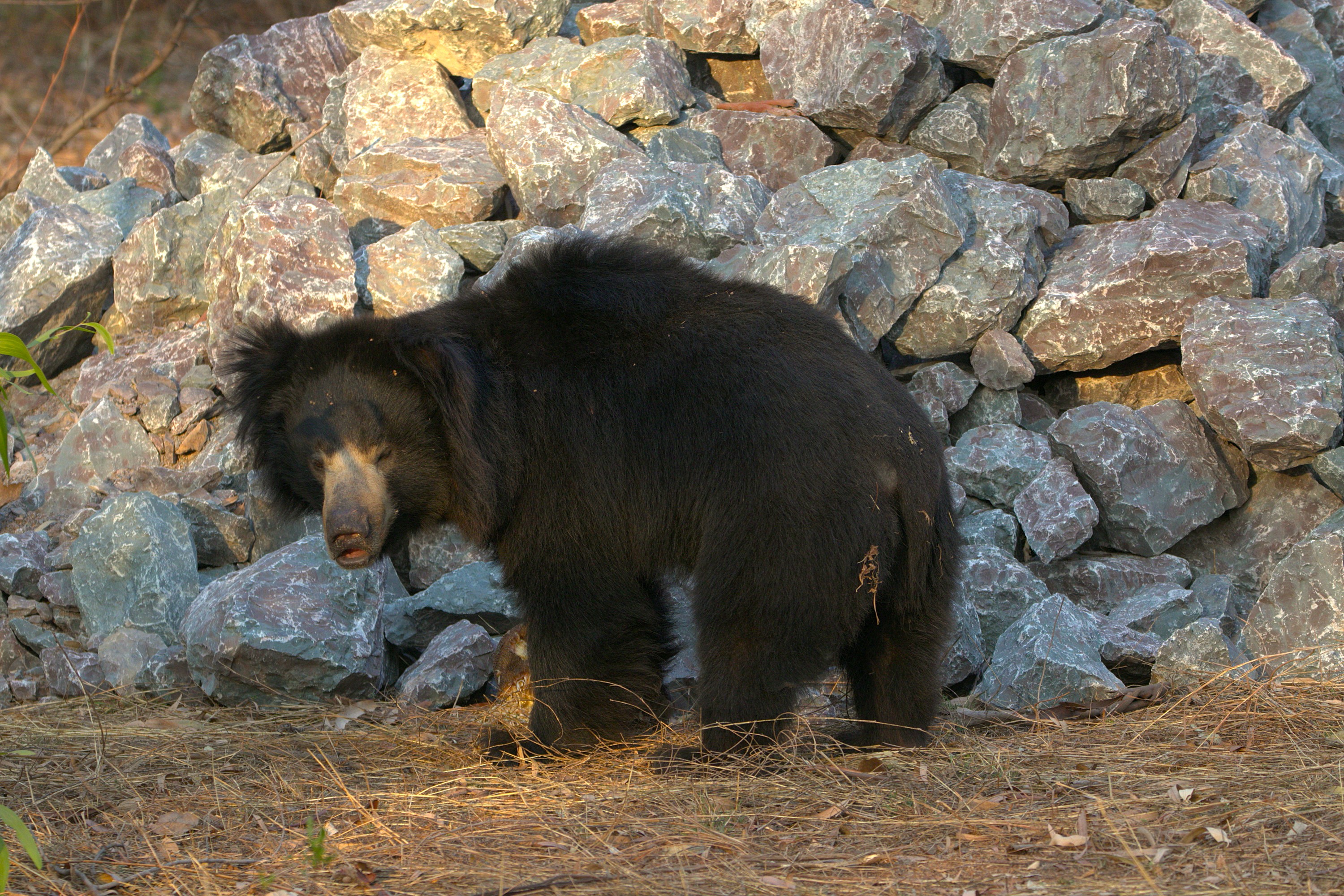
- The habitat includes rocky outcrops, shady trees, water-pools, fallen logs and termite mounds to replicate the sloth bear’s natural environment and allow natural behaviours such as digging, climbing and foraging.
- Visitor vehicles follow a designated route at slow speed through the enclosure, ensuring minimal disturbance while offering vivid viewing.
- As with other safari zones at Nandanvan, the perimeter is secured by chain-link fencing and double-gates, and green belts and vegetation have been planted to improve habitat quality (55,000 saplings across the safari).
Bear Safari Map
Bear Safari route and key attractions
Bear Safari Map
Discover the Sloth Bear’s Domain
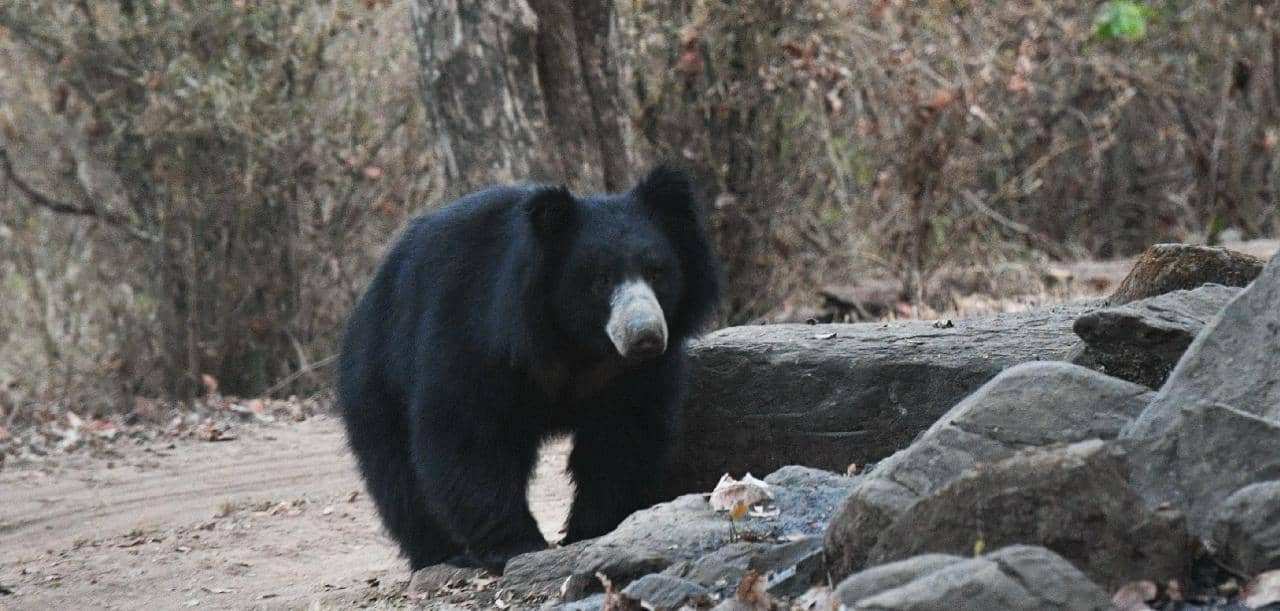
At the Bear Safari zone of Nandanvan Jungle Safari, you’ll witness the unique Indian Sloth Bear (Melursus ursinus) — an intriguing, commonly known bear species found in India. The zone is designed to provide the bears with a naturalistic habitat while giving visitors a safe, close-up educational experience.


Bear Safari
What You Will See
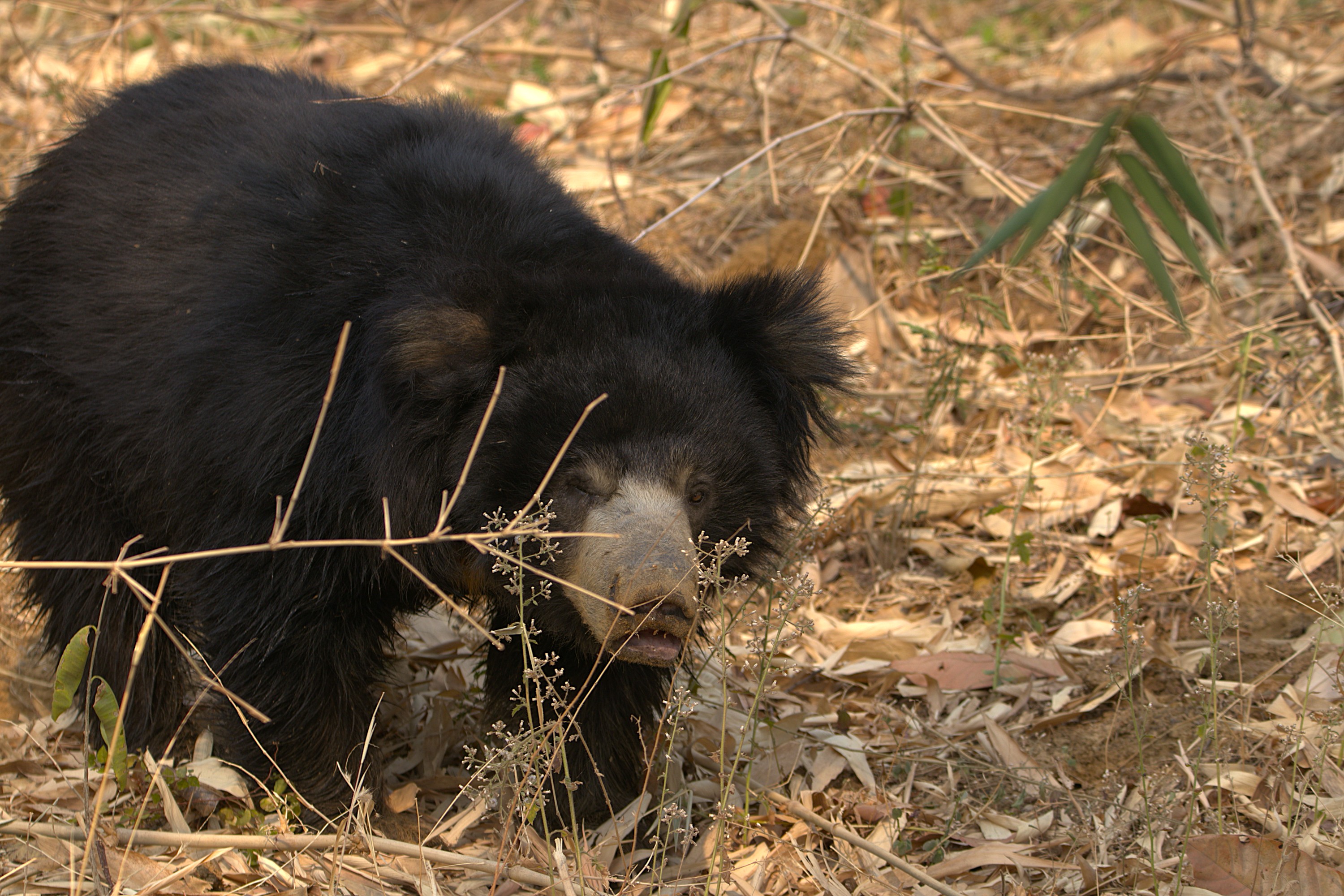
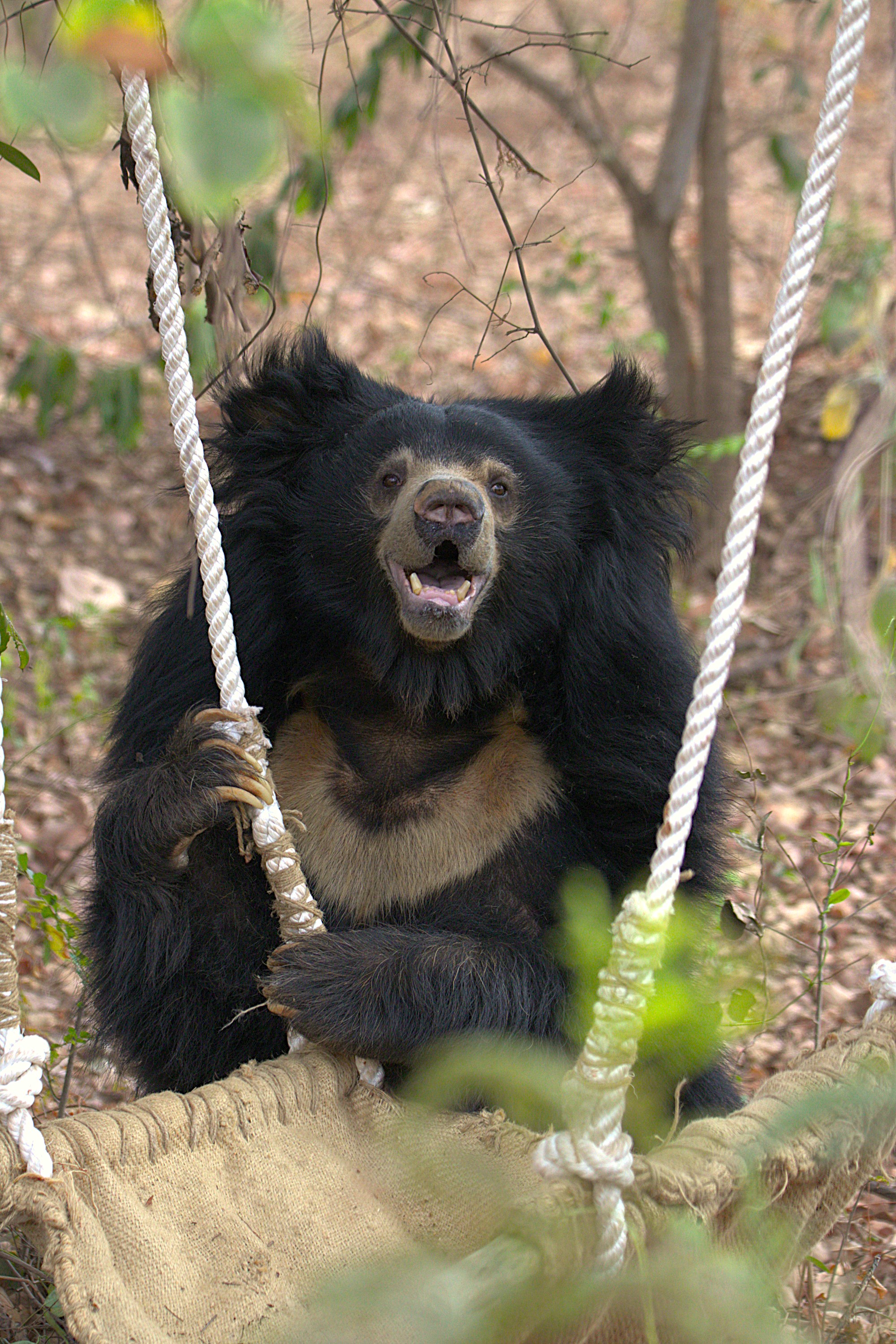
- Sloth bears roaming freely — scratching trees, climbing low branches, and bathing in shaded water areas.
- Their shaggy black coat, distinctive white Y-shaped chest mark, long claws, and pronounced muzzle — unique traits of the species.
- Educational signage and guided commentary explaining bear behaviour, diet (termites, fruits, honey) and differences from other bear species.
- Quiet viewing zones for observing small bear groups (often a mother with cubs), offering a calm and reflective experience.
Scientific & Conservation Significance
- The Indian Sloth Bear is classified as Vulnerable (VU) on the IUCN Red List and is listed under Schedule I of the Wildlife (Protection) Act, 1972.
- Primarily found in India and Sri Lanka, sloth bears face threats from habitat loss, poaching (for claws and bile), and human–bear conflict.
- The Bear Safari at Nandanvan provides a spacious 20-hectare habitat with enrichment, supporting ex-situ conservation, education and species awareness.
- In the wild, sloth bears play important ecological roles such as termite mound disturbance and seed dispersal — roles demonstrated through the safari setting.
- Enclosure design prioritises animal welfare with access to shade, water, climbing structures and natural substrates for physical and psychological health.
Visitor Experience & Best Practices
- Vehicles move slowly through the Bear Safari zone; visitors must remain inside vehicles, keep noise low and observe bears from a respectful distance.
- Best viewing times are morning hours (foraging activity) or late afternoon when bears are more active in cooler temperatures.
- Avoid loud conversations, feeding attempts or interaction; binoculars and moderate zoom cameras are recommended.
- Follow all safari staff instructions: remain inside vehicles, keep limbs inside windows, and dispose of waste responsibly.
Why Visit the Bear Safari?
- Experience one of India’s most distinctive bear species in a thoughtfully designed habitat rather than a conventional cage.
- Learn about sloth bear ecology, behaviour and conservation challenges through interactive displays and guided tours.
- Enjoy a quieter, more contemplative safari zone — ideal for families, children and nature enthusiasts.
- Support wildlife conservation efforts that enhance bear welfare and habitat management at Nandanvan Jungle Safari.